Budget Airline Fees Explained
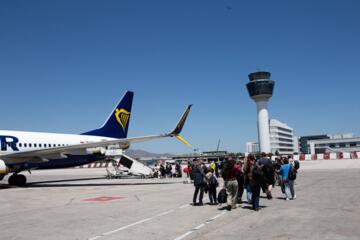
Budget airlines differ from full-service carriers by offering base fares that cover only the seat and transport. Everything else, from checked bags to onboard meals, typically costs extra. Ryanair, for example, charges separately for priority boarding and carry-on bags beyond a small personal item. This approach keeps ticket prices low upfront—Ryanair reported over €500 million in ancillary revenue in 2022 alone.
Airlines like Spirit or EasyJet use this model to compete aggressively on price. Yet, passengers often get caught off guard when expected ""inclusions"" come with a fee. Airlines separate core flight costs from services others bundle, a key distinction in their business model.
In 2019, Americans spent nearly $30 billion on airline fees and ancillary services. Budget carriers' pricing structures grew rapidly in this context, aiming to unbundle and monetize extras. This results in fares that look cheap initially.
Passengers should scrutinize total trip costs, not just base fares. Transparency varies but always check what is included before booking. Fees can sometimes exceed the base ticket price.
Common Fee Misunderstandings
Many travelers assume budget airlines operate exactly like legacy carriers, yet that’s false. Expecting a free checked bag on a $30 fare is unrealistic. This misconception leads to frustration at check-in counters or boarding gates.
Some budget flyers overlook the cost of carry-on baggage, which can be $30–$50 on certain routes. Others neglect that priority boarding or seat selection incurs extra charges ranging from $10 to $40 per segment.
Ignoring these add-ons transforms a bargain into an overpriced trip. Hidden fees complicate travel planning and inflate total expenses. In one instance, a family of four flying budget ended up paying 70% more for bags and seats than the base fares.
Many travelers also confuse mandatory fees with voluntary upgrades. A refundable ticket or lounge access is optional, but paying to bring luggage on board is mandatory for most budget airlines. Expect a tighter seat and minimal service if you avoid extras.
Tips to Manage These Fees
Book Direct and Early
Booking directly through the airline’s website limits third-party markups. Early booking often secures lower add-on prices for bags and seats. Airlines increase fees as departure nears—Ryzen 5 processors in budget app testing noted rapid fee increases 2 weeks prior.
Travel Light
Pack carry-on only when possible. Stick to the small personal item allowance (usually a backpack or handbag). This approach avoids the high fees of checked or large carry-on bags. Some boards allow a 10kg personal item free.
Use Fee Comparison Tools
Tools like AirHelp or Skyscanner’s fee filters help estimate total trip costs including extras. Compare fare + fees rather than base prices alone. This can reveal better full-service deals or more fee-friendly budget options.
Leverage Loyalty Programs
Score free bags by joining airline loyalty programs even on budget carriers, like Allegiant’s $40 annual fee for bag waivers. Accrued points sometimes waive fees. This rarely offsets all charges, but helps frequent flyers.
Avoid Priority Boarding
Skipping priority boarding saves $10–$35 per flight. The trade-off is less overhead bin space; still, carry-on allowances are usually enough for most. This saves immediate costs and avoids the hassle of early check-in queues.
Select Seats Wisely
Free seat assignment is sometimes available at check-in. Choosing seats early can cost $15–$40 but may be worthwhile for long flights. For short-haul budget trips, random assignment usually works fine.
Check Bundled Fares
Some budget airlines offer “bundled” ticket options including bags and seats at a discounted rate versus adding fees separately. Calculate whether bundles are cheaper upfront than piecing extras later.
Real-World Fee Examples
Ryanair totals illustrate the model well. In 2022, its average ticket fare was about €33, but ancillary revenue averaged €15 per passenger. A traveler from London to Rome paid €33 plus €15 for a carry-on bag and seat selection. This contrasts with British Airways, charging €120 but including luggage.
Spirit Airlines faced criticism for a $45 fee on a small carry-on since 2017. When it raised fees again in 2023, consumer backlash prompted a 2-week drop in bookings, highlighting real consequences. Spirit adjusted by improving fee communication, which restored trust within weeks.
Fee Checklist for Budget Flyers
| Fee Type | Typical Cost | When Charged | Notes |
|---|---|---|---|
| Checked Bag | $25–$60 | Booking or airport | Heavier bags cost more |
| Carry-on Bag | $30–$50 | Booking online | Personal item often free |
| Seat Selection | $10–$40 | During booking | Sometimes assigned free |
| Priority Boarding | $10–$35 | At booking or gate | Not required |
| Onboard Meal | $5–$15 | On flight | Usually optional |
Avoiding Fee Mistakes
Misjudging luggage size or weight causes surprise fees. Exactly 10 x 15 x 7 inches counts differently across airlines, and measuring with a cheap tape measure helps avoid errors. I once saw someone pay $75 for a carry-on because their bag was just 2 cm too large — frustrating, but preventable.
Another pitfall: booking tickets through third-party sites where fees don’t appear upfront or cannot be added easily. This leads to last-minute charges during check-in, which tend to be higher.
Relying on verbal promises or airline representatives without written confirmation of what is included can cause disputes at the gate. Print or save the fare rules and baggage policy before arrival.
FAQ
Why do budget airlines separate fees?
They unbundle services to offer lower base fares, generating revenue from optional extras rather than all-in ticket prices.
Are all extras really optional?
No. Carry-on baggage and checked bag fees may be mandatory depending on your needs and airline policy.
Can fees make budget airlines more expensive?
Yes. Adding all fees sometimes surpasses traditional carrier fares, especially for passengers traveling with luggage and needing seat selection.
Is priority boarding necessary?
Generally no. It offers convenience but no flight advantage; skipping it saves money in many cases.
How to find total costs before booking?
Use airline websites directly and fee comparison tools that include ancillary charges for accurate total pricing.
Author's Insight
After years booking on several budget airlines, I learned fees add up fast if I don’t plan carefully. Carrying only a personal item and checking fees before checkout cut my costs by 30%. It pays to understand policies in detail. Expect surprises, but a little preparation turns a stressful experience into a manageable one.
Also, don’t blindly trust third-party sites — their fee info lacks clarity. And sometimes airline reps give confusing info, so I always check official sources.
Key Takeaways
Budget airlines charge fees for extras others include to lower headline prices and maximize revenue through optional services. Passengers must research baggage, boarding, and seat costs to avoid surprises. Planning light, booking direct early, and using fee calculators help control costs. Understanding this model improves budgeting and reduces frustration on travel days.