Understanding Airline Seat Fees
Airlines have long charged extra for selecting certain seats, creating confusion among passengers. These fees vary widely; for example, Delta charges up to $75 on some routes for preferred seats. New regulations seek to make pricing transparent before booking, requiring airlines to disclose seat fees upfront. Passengers booking flights on or after March 2024 will see clearer breakdowns of seat selection costs, helping them avoid unexpected charges.
In practice, this means your ticket price will separate the base fare from any extras like window or aisle seats. This change affects mostly economy passengers who often pay extra for seats with more legroom or better location.
Common Issues with Seat Charges
Many travelers assume seat selection is free or included. They get surprised by fees while checking in, which can range from $10 to $120 per seat depending on airline and flight. This leads to frustrated customers, especially on longer flights where seat comfort matters most.
Some airlines charge fees only for specific seats such as exit rows or front cabin seats. This creates a disparity where passengers pay differing prices for what seems like standard seats. People who misunderstand policies might choose seats too late, ending up with unfavorable or paid options—sometimes settling for less legroom or separated groups.
Another consequence is that passengers avoid selecting seats to save money but face longer boarding times or missed connections because they lack assigned seats. Occasionally, families struggle to sit together because free seat selection is blocked or expensive. Confusing fee structures drive resentment and complaints.
Practical Ways to Handle Seat Fees
Book Early
Snag your seat immediately after ticket purchase. Airlines typically offer lower fees early on, and seats go fast especially on busy routes. Early booking helps avoid inflated last-minute fees or no-choice seating. For example, United’s early seat pricing is $10–$20 less than at check-in.
Use Airline Loyalty
Frequent flyer status often waives seat fees or grants access to free preferred seats. Elite members of American Airlines or Southwest usually skip extra fees, even on exit rows. Joining loyalty programs gives tangible savings, beyond just miles. Sign up before booking to qualify.
Choose Basic Economy Carefully
Low-cost fares often exclude free seat selection. You might pay $15 or more during check-in. Evaluate if the lower fare justifies paying for seating afterward. Sometimes a standard economy ticket with included seat selection ends cheaper overall.
Compare Seat Maps
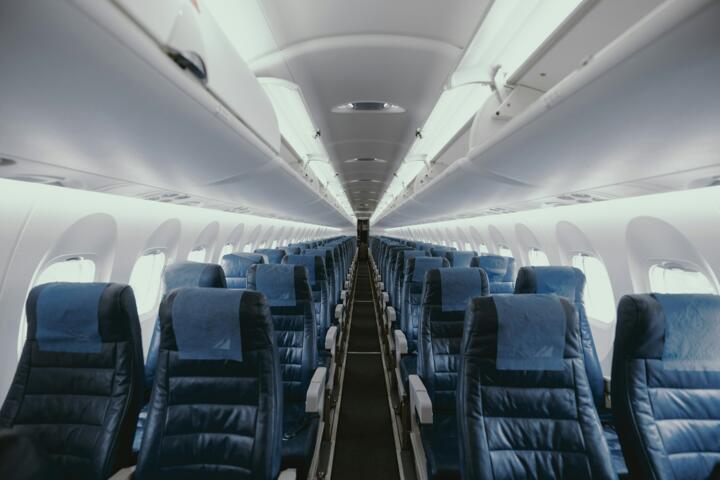
Sites like SeatGuru or app versions from airlines show detailed seat info, including fees and legroom. Check those before finalizing meals and boarding passes. It prevents surprises because seat features and fees differ even inside one cabin class. Some tools show blocked or restricted seats too.
Consider Hold or Upgrade Options
Some airlines now offer a seat hold for a nominal fee, refundable or applied to upgrades. Delta and JetBlue experiment with this, letting you lock seats without full payment initially. Useful for travelers’ who plans might change or want extra flexibility. It’s a small cost to reduce uncertainty.
Leverage Travel Agencies
Booking through agencies like Expedia or Kayak sometimes reveals seats with fees included in overall pricing, simplifying the process. Agencies negotiate with airlines for bulk purchases that can reduce seating fees subtly passed on to customers. These advantages aren’t obvious but do happen.
Use Airline Credit Cards
Many cards, such as those from Chase or Citi, offer reimbursements for seat fees or free upgrades. The card perks cover paid seating, which, over several trips, saves money without extra effort. Check your card benefits before assuming fees are unavoidable.
Monitor Airline Announcements
Airlines adjust seat fee policies frequently. For example, Southwest updated its free seating policy last year, affecting many travelers. Subscribe to airline newsletters or travel news for timely updates to avoid missed chances or sudden hikes.
Understand Terms for Infants and Groups
Some airlines allow free seat selection for infants or require the whole group to book simultaneously to guarantee adjacent seats. Confirm these rules early to avoid costly reseating later. A group of four paying to separate... not ideal or cheap.
Examples of Policy Changes and Results
Delta Airlines faced backlash when they raised seat fees on popular routes. After customer complaints, they revised the fee disclosure process in 2023, showing full costs at booking—not check-in. As a result, complaints dropped by 30% within six months.
A European carrier, Ryanair, introduced fee caps on seat selection late last year. They reduced average fees by 25%, boosting customer satisfaction scores while maintaining revenue. They also added a free selection window 24 hours before flight, which passengers, who often travel light, appreciated.
Seat Fee Quick Guide
| Airline | Base Fee | Preferred Seat Fee | Elite Benefits |
|---|---|---|---|
| Delta | $10–$30 | $40–$75 | Free seat hold |
| United | $15–$35 | $45–$80 | Waived fees |
| Southwest | Free | N/A | Open seating |
| Ryanair | €5–€15 | €10–€30 | Discounts for advanced selection |
Seat Fee Pitfalls to Avoid
Do not ignore seat selection altogether. Waiting until check-in often triples fees or forces random seating. Paying last-minute fees adds up and frustrates families wanting to sit close. Also, avoid assuming your loyalty status always covers fees; many mid-tier memberships still pay for premium seats.
Never skip comparing prices among airlines if seat fees matter. Sometimes the bare fare looks low but your total cost after seat fees is higher than competitors. And do not rely on mobile apps exclusively—some airlines hide seat fees on small screens or change fee displays unexpectedly.
Lastly, keep an eye on seat upgrades and refund policies. Some airlines do not refund paid seat fees if you change seats or cancel, which, frankly, most people skip reading.
FAQ
Are seat selection fees refundable?
Generally, seat fees are not refundable unless the airline cancels the seat or flight. Policies vary: Delta refunds if a seat change is involuntary, but others keep fees non-refundable.
Do all airlines charge for seat selection?
No. Some carriers like Southwest offer free open seating. Low-cost and traditional airlines increasingly charge for preferred or advance seat selection.
How can I avoid seat fees?
Book early, join airline loyalty programs, use credit cards with travel perks, or select basic economy with the understanding of no free assignment.
Can I select seats at check-in without fees?
Often, additional fees apply at check-in as airlines push passengers to pay earlier. Only some airlines provide free options at check-in for some seats.
Do infants require seat selection fees?
Infants on lap usually do not require a seat, so no fees. If they have a separate seat, fees may apply depending on airline rules.
Author's Insight
After managing hundreds of airline bookings, I’ve seen seat fees catch many travelers off guard. Early booking and loyalty program use save the most money, and tools like SeatGuru make seat quality transparent but rarely used. Airlines’ varied rules demand patience and checking multiple sources before booking. Paying attention matters for comfort and budget, especially on flights over three hours.
Summary
New rules about seat selection fees bring transparency but do not reduce costs outright. Act early and understand seat pricing on your airline before booking. Use loyalty status and credit card perks to avoid fees. Check maps and policies to prevent surprises. Seat selection impacts travel comfort and wallet — stay informed and pick wisely.