Rules Keep Shifting
Airport screening in Europe and the US runs on overlapping systems, not a single global standard. TSA in the United States and EASA-guided checkpoints in Europe both follow similar baseline rules, yet implementation changes by airport and even by terminal. One example: liquid limits still sit at 100 ml containers in many locations, while newer CT scanners in some airports remove that restriction entirely.
Heathrow Terminal 3 introduced advanced scanners in 2024 that allow larger liquids in certain lanes. Schiphol Airport tested similar systems but rolled them out unevenly. That uneven rollout creates confusion for travelers who assume rules are universal. They are not.
Rules move slower than technology.
TSA PreCheck in the US now covers more than 200 airports, yet screening speed still varies widely between 10 minutes and 45 minutes depending on time of day. Early morning peaks at major hubs like JFK or Frankfurt Airport compress processing capacity fast. Lines stretch, then shrink, then stretch again without warning.
That inconsistency shapes behavior...
Where Travelers Get Stuck
Most delays come from assumptions, not security checks themselves. People pack based on last year’s flight, not current terminal rules. A laptop left inside a bag triggers manual screening in older lanes. A 120 ml bottle slips into carry-on without issue in one airport, then gets confiscated in another.
Families slow the system further. One additional tray at security can add 2–3 minutes per person. Multiply that by 180 passengers on a narrow-body flight and the queue expands quickly. It is not dramatic, just cumulative.
Small mistakes scale.
Another friction point comes from connecting flights. A passenger cleared in Singapore Changi under automated screening may land in London and face full re-screening. Even within the EU, airports interpret liquid and electronics checks differently when connecting from non-Schengen countries.
Mobile boarding passes do not fix this. They add speed at the gate, not at screening. The mismatch between digital check-in and physical inspection creates a false sense of readiness.
Then there is fatigue. Travelers stop reading signs after the second trip. That is when errors happen. And lines punish repetition more than ignorance.
How To Stay Ready
Check airport rules before packing
Airports publish screening rules on official sites, but most travelers skip them. Heathrow, Frankfurt Airport, and TSA all update guidance several times per year. Reading takes under 5 minutes and prevents most carry-on issues.
Pack with the destination airport in mind, not the departure point. A return trip through stricter screening resets the process. That detail gets missed often.
Rules differ more than expected.
Assume 100 ml still applies
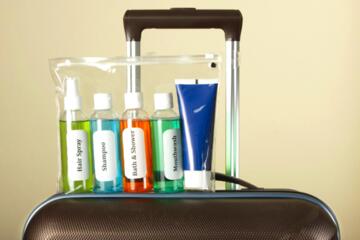
Even where new scanners exist, not all lanes are upgraded. The safest default is still the 100 ml liquid rule in a clear 1-liter bag. Exceptions exist, but they are lane-specific, not airport-wide.
EU aviation guidance still supports this baseline in mixed equipment environments. US TSA also maintains it for standard lanes.
Pack once, not twice.
Use PreCheck or fast lanes
TSA PreCheck in the US and Fast Track services in airports like Heathrow reduce screening time significantly. Average wait drops from 30 minutes to under 10 in many hubs, especially outside peak hours.
Enrollment costs about $78 for 5 years in the US. EU fast-track lanes vary by airline, often bundled with premium tickets or loyalty programs.
Time savings compound on frequent routes.
Keep electronics accessible
Laptops, tablets, and large cameras still trigger separate screening in many airports. Keeping them near the top of your bag reduces tray sorting time by 1–2 minutes per passenger.
New CT scanners at airports like Amsterdam Schiphol and London Heathrow reduce this requirement, but rollout remains partial. Assume manual screening until proven otherwise.
Bag order matters.
Wear simple layers
Belts, boots, jackets, and watches all slow screening. Removing them adds 20–40 seconds per person. Multiply that across a 150-person queue and the delay becomes visible.
Some airports now use millimeter-wave scanners that reduce the need for removals, but not all checkpoints have them active. Simpler clothing still wins in older lanes.
Speed comes from subtraction.
Watch liquids beyond toiletries
Most travelers focus on shampoo bottles but forget food items. Yogurt, sauces, and even spreads like peanut butter fall under liquid rules in many jurisdictions. Confiscation rates rise during holiday travel peaks by nearly 18% according to airport authority reports.
Buy liquids after security when possible. Duty-free zones exist for a reason, even if prices are higher.
Packaging decides outcomes.
Track airport updates before travel
Major airports publish operational updates during security upgrades. Frankfurt Airport, for example, has been expanding automated screening lanes in phases, which changes passenger flow patterns week to week.
Airlines also send alerts when terminal procedures shift. These messages often get buried under marketing emails, so checking them manually matters more than people expect.
Small updates matter.
What Actually Changed
Between 2022 and 2025, several European airports introduced CT scanners capable of 3D baggage imaging. Heathrow, Schiphol, and Rome Fiumicino tested systems that reduce manual checks for electronics and liquids in specific lanes. Early reports show processing improvements of 20–30% in those lanes.
The US TSA deployed similar technology in select airports, including Atlanta and Los Angeles, but full adoption remains limited. Older scanners still dominate secondary and regional airports, creating a hybrid system that confuses travelers who assume uniformity.
Policy updates lag behind hardware.
One measurable change came in queue efficiency. Airports using mixed CT and traditional lanes reported shorter average wait variance, not just faster peak times. That means fewer extreme delays but not necessarily faster overall travel.
It feels smoother, not faster...
Quick Airport Checklist
| Step | Action | Time | Impact |
|---|---|---|---|
| Pack | Check rules | 5 min | Fewer delays |
| Security | Prep bag | 2 min | Faster lane |
| Queue | Pick lane | Varies | Time saved |
| Board | Stay ready | 0 min | Less stress |
Common Mistakes
Travelers repeat the same errors across airports. The most common is overpacking liquids in multiple small containers without checking total volume. Security does not add them together favorably.
Another mistake is treating every airport like the most advanced one they have used. A single experience at a modern terminal in Doha or Singapore creates expectations that do not match regional airports in Europe or the US Midwest.
Assumptions slow everything.
People also forget that security changes seasonally. Summer travel in Europe increases random checks by roughly 12–15% according to airport authority summaries. Holiday peaks in December push both staffing and scrutiny higher.
Then there is document delay. Boarding passes on phones sometimes fail due to low battery or scanning errors. Paper backups still matter in 2026.
That backup feels outdated. Until it is needed.
FAQ
Do all airports still use the 100 ml rule?
Most airports still apply it because not all lanes have new CT scanners. Some terminals allow larger liquids in specific lanes, but the rule remains the default globally.
Why do security rules differ between airports?
Different equipment rollout schedules and national aviation authorities create variation. Even within the same country, airports may operate mixed systems.
Do laptops still need to be removed?
Yes in many airports. CT scanner lanes reduce this requirement, but older X-ray systems still dominate most checkpoints.
Is TSA PreCheck worth it?
For frequent US travelers, yes. It reduces average wait times from around 30 minutes to under 10 at busy hubs.
Do European airports follow the same rules?
They follow EASA guidelines, but implementation differs by airport and equipment type. Liquids and electronics rules vary more than most travelers expect.
Author's Insight
Airport security always looks temporary from the outside, like it should stabilize into one clear system. It rarely does. Equipment upgrades arrive in patches, not waves, and rules adjust around them rather than replacing them.
When I travel, I assume the least forgiving version of the rule set will apply. That approach removes decision points at the counter. It also shortens the mental checklist...
Summary
Airport security rules shift because technology rolls out unevenly across global hubs. Travelers who rely on memory from past trips run into friction at checkpoints. Packing for the strictest version of the rules, keeping electronics accessible, and checking airport-specific guidance before departure reduces delays and uncertainty.
Expect variation, not consistency. Build habits around that reality, not exceptions.