The Shift In Advice
For years, workplace health advice sounded almost athletic. Hit 10,000 steps. Spend 45 minutes at the gym. Push harder on cardio days. Then researchers started looking closer at what office workers were actually doing during the other 15 waking hours.
The newer guidance sounds different. Move more often. Break up sitting time. Walk after meals. Stand during calls. The science around “movement snacks” has grown fast since 2020, especially after large studies connected prolonged sitting with higher risks of Type 2 diabetes, cardiovascular disease, and lower energy levels even among people who exercised regularly.
That surprised many researchers.
A 2023 study published in the British Journal of Sports Medicine found that just 3 to 4 minutes of vigorous daily movement bursts were linked with noticeably lower cardiovascular risk in adults who otherwise did not exercise much. Another review from Columbia University showed that a 5-minute walk every 30 minutes helped reduce blood sugar spikes and lowered blood pressure in desk workers.
The message now feels less extreme. Your body reacts well to consistent movement, even if that movement looks small from the outside.
Why Desk Jobs Hurt
The problem with desk work is not simply sitting in a chair. Humans sit all the time — at dinner tables, in cars, on trains. The issue starts when sitting becomes uninterrupted for hours.
Blood circulation slows. Muscles stay inactive. Glucose regulation worsens. Posture collapses gradually around hour three, especially on laptops. By late afternoon, many workers feel mentally foggy and physically drained without understanding why.
Your brain notices too.
Research from the Mayo Clinic and Harvard Medical School has linked long sedentary periods with reduced concentration and higher fatigue. That sluggish feeling after lunch is not always the food. Sometimes the body simply has not moved enough since 8:30 a.m.
Remote work added another layer. Commutes disappeared, which sounds great until you realize many people lost their only reliable walking routine. A worker who once walked 1.2 miles daily between parking lots, train stations, elevators, and lunch breaks may now travel 600 steps total before dinner.
That drop adds up fast.
How To Move More
Walk after lunch
This habit keeps showing up in research because it works. A 10-minute walk after eating helps muscles absorb glucose more efficiently, which reduces sharp blood sugar spikes.
The pace does not need to be intense. You are not training for a marathon. Even walking around the block or inside a large office building changes how the body processes food afterward.
Start with 600 steps.
Break the 30-minute mark
Many workplace health researchers now focus on interruption frequency instead of total sitting hours. The target is simple: do not stay seated for more than 30 consecutive minutes.
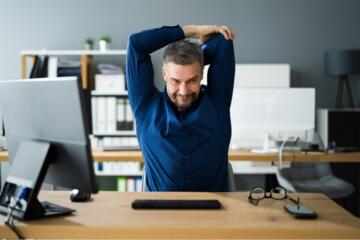
Stand during a call. Refill water slowly instead of rushing. Walk to another floor for the restroom if possible. Tiny interruptions reset muscle activity and circulation in ways people tend to underestimate.
Phone alarms help at first. Smartwatches help too, though many people eventually learn the rhythm naturally.
Use stairs intentionally
Short stair sessions create surprisingly strong cardiovascular responses. Going up two or three flights several times daily raises heart rate quickly without requiring workout clothes or scheduling.
A Canadian study found that brief stair-climbing “exercise snacks” improved cardiorespiratory fitness in otherwise sedentary adults after only 6 weeks. That sounds dramatic until you try climbing four flights while carrying a laptop bag.
Your lungs will notice.
Build movement into meetings
Walking meetings used to sound performative. Then hybrid work made endless video calls normal, and many workers realized they had barely stood up for half the day.
Audio-only meetings work well for walking. So do one-on-one check-ins. Some companies now encourage employees to keep cameras off for internal calls under 20 minutes so people can move during discussions.
The conversation quality often improves too. People think differently while moving.
Keep resistance bands nearby
Not every office supports frequent walks. Weather matters. Deadlines matter. Resistance bands solve part of that problem because they fit inside drawers and create light muscle engagement in under 5 minutes.
Physical therapists often recommend rows, shoulder pulls, and seated leg extensions for desk workers dealing with stiffness from prolonged sitting. The goal is activation, not exhaustion.
Consistency beats intensity here.
Stop chasing perfect posture
Many workers spend hundreds on ergonomic chairs expecting permanent relief. Then they continue sitting still for 8 hours.
Movement matters more than frozen “perfect posture.” Even ergonomics researchers now emphasize position variety over rigid alignment. Shift positions. Stand briefly. Lean back sometimes. Change angles during the day.
The body likes variation.
Track energy, not steps
Step counts help some people and annoy others. A better metric for many office workers is afternoon energy.
If your concentration collapses daily around 3 p.m., movement timing may be part of the issue. Workers who add two or three short walks during the day often report fewer energy crashes within 2 weeks.
The difference feels subtle at first...
Use commuting creatively
People who work remotely can recreate “transition movement” intentionally. Walk around the block before logging in. Take another short walk after shutting the laptop.
That replacement commute helps mentally separate work hours from home life while adding movement naturally. Even 12 minutes outside changes how sedentary the day feels.
Remote workers usually need this more than they think.
What Companies Changed
Several large employers quietly adjusted wellness policies after internal productivity data started aligning with movement research. Salesforce redesigned some office layouts to encourage walking between collaboration zones instead of keeping employees fixed at long desk rows.
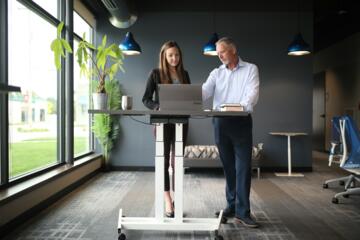
Google campuses expanded standing collaboration areas and outdoor meeting spaces years ago, but hybrid work pushed more companies toward similar ideas. Some firms now reimburse walking pads or standing desks up to certain spending limits, often between $200 and $500 annually.
The insurance industry noticed too.
Aetna and other workplace insurance providers have experimented with movement incentive programs tied to wearable devices. Employees who met daily activity goals sometimes qualified for lower healthcare contributions or wellness bonuses.
Not every experiment worked. Some workers hated constant tracking. Others felt manipulated by productivity-focused wellness messaging. But the broader trend stayed clear: employers increasingly see inactivity as a workplace issue instead of a personal one.
Simple Daily Checklist
| Habit | Time | Benefit | Effort |
|---|---|---|---|
| LunchWalk | 10min | Glucose | Low |
| Stairs | 3min | Cardio | Medium |
| StandBreak | 2min | Circulation | Low |
| BandWork | 5min | Mobility | Low |
Common Movement Mistakes
A common mistake is assuming one hard workout cancels out 10 sedentary hours. Research increasingly says the body does not work that way. A 45-minute gym session helps, but uninterrupted sitting still carries separate health risks.
Another problem comes from overcomplicating movement plans. People buy expensive standing desks, fitness subscriptions, posture correctors, recovery gadgets — then abandon all of it after 2 weeks because the routine became exhausting to maintain.
Keep the system boring.
Desk workers also tend to ignore recovery signals until pain appears. Tight hips, numb legs, stiff shoulders, recurring headaches, afternoon fatigue. The body usually starts whispering long before it starts yelling.
Some workers become overly dependent on wearable metrics too. Missing a step goal by 700 steps does not erase the benefit of moving more throughout the day. The trend matters more than the daily score.
FAQ
How often should desk workers stand up?
Many researchers now recommend standing or moving at least every 30 minutes. Even short 2-minute breaks improve circulation and muscle activity.
Is standing all day better than sitting?
No. Standing motionless for long periods creates its own problems, including lower back strain and leg discomfort. Regular movement and position changes work better than replacing sitting entirely.
Do walking pads actually help?
They can. Workers who use walking pads during low-focus tasks often increase daily movement substantially. The setup works best for calls, email reviews, or administrative tasks rather than deep concentration work.
What is the minimum effective movement during work?
Research suggests even 2 to 5 minutes of light activity every half hour creates measurable metabolic benefits. Small interruptions count more than many people assume.
Can movement improve focus?
Yes. Short walks and movement breaks often improve alertness, concentration, and afternoon energy levels. Many workers notice mental benefits before physical ones.
Author's Insight
I used to think movement only counted if it looked like exercise. A gym session. A run. Something structured and sweaty. The newer research changed my mind because it lines up with what many desk workers already feel physically after long sedentary stretches.
The people who seem healthiest around office environments are rarely the most intense fitness enthusiasts. Usually they are the ones who move constantly in small ways without turning it into a production. They stand up often, walk during calls, disappear for 8 minutes after lunch, and somehow avoid that drained late-afternoon feeling most offices normalize.
Summary
Daily movement guidance is shifting away from all-or-nothing fitness advice and toward frequent, manageable activity throughout the workday. Desk workers who interrupt sitting time, walk after meals, use stairs, and build small movement habits into routines often see better energy, circulation, and focus within weeks.
You do not need a perfect wellness routine. You probably need more movement between emails.