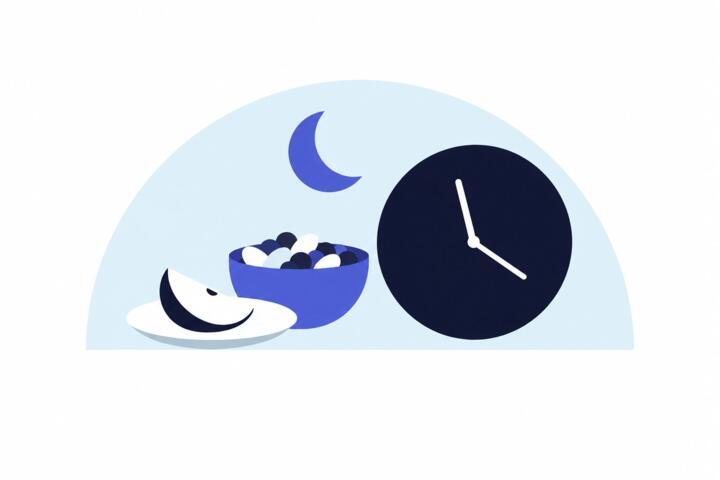
A heart-health statement from October 2025 ties late and irregular eating to body-clock disruption, while the Dietary Guidelines released in January 2026 cap added sugar in snack foods but set no eating curfew. This piece sets those documents beside reflux and sleep advice from gastroenterology and sleep bodies, and walks through a crossover trial in which the same dinner eaten at 10 p.m. instead of 6 p.m. raised the glucose curve by about 18%. It also explains why time-restricted eating has not beaten plain calorie cutting for weight loss in trials, and covers night-time lows for people on insulin or sulfonylureas, a lab study of night-shift eating, and an evening checklist.
Connecticut's all-in pricing law took effect on July 1, 2026, joining at least five other states (California, Minnesota, Virginia, Massachusetts and Colorado) in requiring an advertised price to include mandatory fees. Meanwhile, the federal EnergyGuide label still prices electricity at 14 cents per kWh, though the national residential average was 18.31 cents in July 2026. This piece sets out what each state law lets sellers leave out, how to read a shelf unit price (including after a package shrinks) and how to rework a label's yearly energy cost at your own electricity rate. Two illustrative examples carry the math through, and a short checklist closes it out.
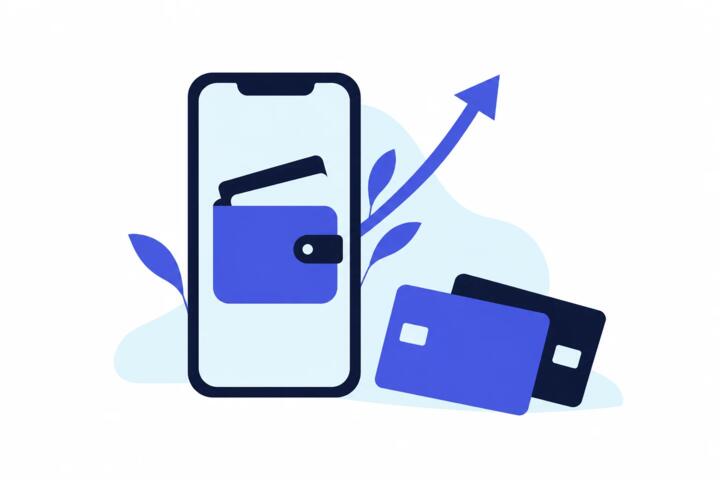
An Atlanta Fed report released in May 2026 found that phones and tablets were used for 14% of in-person payments in 2025, up from 11% a year earlier. Every tap still runs on one card, so the cards you rarely choose can go idle. Card agreements from Chase and Citi give the issuer broad power to close accounts, and Regulation Z requires no advance notice of a closure or a limit cut. A worked example shows one closure lifting utilization from 12% to 20%. The guide also covers the notices you can still expect, wallet tokens after a card is replaced, debit card protections, deposit insurance gaps for app balances, and a checklist for keeping older cards open.
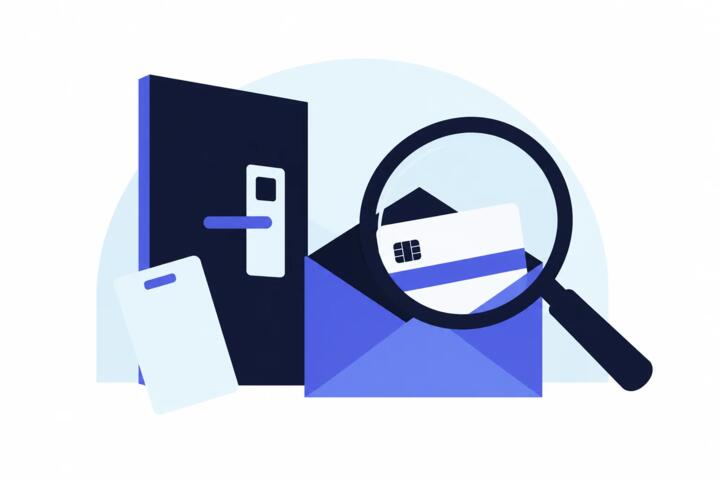
In September 2026, a German hotel software company said attackers had pulled guests' booking details through a flaw it closed on September 19, and that the details were feeding convincing phishing messages. A Japanese hotel chain warned of a similar possible leak. This guide explains what that means for anyone with a trip booked and what FTC and FBI data can and cannot say about whether booking scams are growing. It covers how the main scams work, what AirCover, VrboCare, Booking.com and Expedia actually promise, an illustrative $630 booking a scammer tries to make you pay twice, and what to do if you already paid.
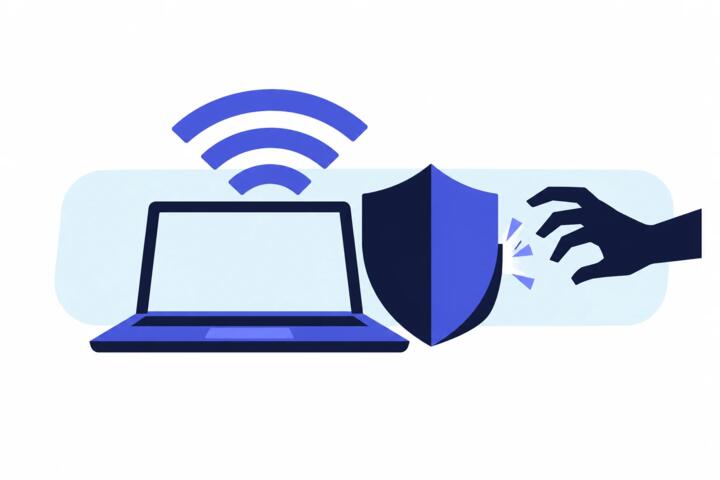
Desktop Chrome now asks before opening an unencrypted public site you haven't visited recently, and Google's own data puts encrypted page loads at roughly 95 to 99 percent. That makes quiet snooping on airport or hotel Wi-Fi much harder than many warnings suggest, though the NSA still tells its teleworkers to avoid it for banking. The risks that remain are mostly tricks: look-alike networks, fake sign-in pages like those in a 2025 Australian court case, auto-join, open sharing settings and old devices. A table shows what someone on the same network can see on a banking site, a plain HTTP site and a fake portal, and a checklist covers when to use your phone's hotspot or a VPN.
Clocks fall back on November 1, 2026, and a House-passed bill to make daylight saving time permanent sits in a Senate committee, so the hour when daylight meets your alarm is shifting. This guide sorts morning habits by the strength of their evidence, from a fixed wake time and outdoor light to coffee timing, breakfast, exercise and cold plunges. It works through how much caffeine from a 7 a.m. or 3 p.m. coffee is likely still in the body at 11 p.m., using FDA half-life figures, and covers the small trial that tested a full morning routine, the 90-minute coffee rule, advice for shift workers and teens, and signs that call for a sleep evaluation.
California's 2025 Energy Code took effect January 1, 2026, ASHRAE updated its voluntary home ventilation standard, and federal gas-stove regulators stepped back. This guide dates each change, says who it actually binds, and turns it into steps for any home: when a radon result of 4 pCi/L means fixing, how to read two short-term tests, how much range hood airflow a gas range needs, with the ventilation formulas worked through, where CO alarms go, why humidity should stay at 30 to 50 percent, and what a CO2 monitor can and cannot tell you.
Most add-on plans pushed at checkout are optional by law, and California now requires dealers to say so. California's CARS Act took effect on October 1, 2026, and dealers there must now say in writing that add-ons such as service contracts and GAP are not required. Elsewhere, the federal warranty law has long barred makers from tying a warranty to a paid, brand-name service. This piece separates the plans that are truly tied to a purchase (phone promo credits, lender-required coverage, already-installed dealer items) from the ones only sold as if they were, shows how $3,000 of add-ons becomes $3,787 on a 72-month loan, explains California's refund rules, and ends with a checklist for the signing table.
Losses to fake police and officials nearly doubled; here's how to protect money a wire can't easily get back. The FBI's 2025 crime report and its September 2026 warning about fake police and officials show where wire-linked fraud grew. Government-impersonation losses nearly doubled to $798 million, while business email compromise, the scam most tied to wires, rose 10% but sits only 3% above 2023. This guide covers four common wire scams, why UCC Article 4A rarely undoes a wire you approved, when consumers get 30 minutes to cancel a transfer abroad, and a first-hours plan built on the FBI's freeze process, which froze 58% of the money at stake in 2025.
Your drone still flies in the US, but the UK, EU and Canada each want their own paperwork before takeoff. A drone you already own still flies legally in the US, but packing it for a trip now takes more planning. The UK began requiring a Flyer ID for drones from 100 g on January 1, 2026 and does not accept FAA credentials. Canada asks visitors with drones of 250 g or more for a Canadian pilot certificate plus a special permit that can take 30 business days. Here are the FAA hobby rules for road trips and national parks, the lithium battery limits for carry-on bags with a watt-hour formula, a side-by-side table for a 249 g and a 600 g drone, and what the FCC Covered List and new tariffs mean if you are buying a drone.